


Why Designers Are the New Bureaucrats
Modern designers aren’t creating anymore—they’re managing frameworks, meetings, and Figma files like corporate clerks. Creativity’s been replaced by process, and originality has drowned under layers o...
Track the most important shifts in AI, software, hardware, and security in one high-voltage feed.
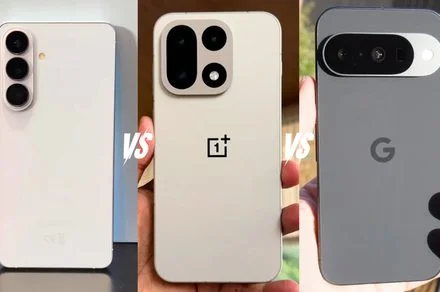
One leads on software, one on hardware, one on intelligence. The tricky part is figuring out which one of those actually matters to you The post Galaxy S26 vs. Pixel 10 vs. OnePlus 15: Which Android f...
Modern designers aren’t creating anymore—they’re managing frameworks, meetings, and Figma files like corporate clerks. Creativity’s been replaced by process, and originality has drowned under layers o...
Figma sold us the dream of perfect consistency — but what we got was 'design by spreadsheet'. See how design systems turned from creative tools into corporate control mechanisms. From token fatigue to...
Webflow promised a no-code future where designers could build anything—but the reality is slower, heavier, and less accessible than it looks. Behind the glossy UI lies bloated code, performance drag, ...
Modern UI design is torn between two opposing forces: clarity and density. Minimalism promised calm, but often hides complexity—while dense interfaces like Figma or Notion prove chaos can be "beautifu...
Every interface you use is built on a quiet but crucial choice: vertical or horizontal cards. This hidden decision shapes how we see, scroll, and interact with content every day.
Modern brands are so obsessed with being “on brand” that they’ve forgotten how to be interesting. In chasing consistency, they’ve killed creativity, spontaneity, and the human spark that makes design ...
Designers love to complain about constraints — deadlines, budgets, brand rules — but secretly, that’s what makes their best work possible. Total freedom kills creativity; limits spark it. The truth is...
There are so many new – and good – tools for designers out there right now. From tiny bits of artificial intelligence to icons that delight, there’s something to help almost every creative professiona...
Framer is the future, Webflow is the bridge, and WordPress just refuses to die. In 2026, the web isn’t about picking sides — it’s about knowing which universe you belong to. Framer wins for beauty, We...
Apple’s "Liquid Glass" experiment has officially shattered, proving that obsession with aesthetics over usability is a billion-dollar mistake. As iOS 26 drains batteries and kills accessibility, a mas...
The 90s web was loud, ugly, and alive — and that’s exactly why we miss it. Before design systems and AI templates, every page had a pulse and a personality. Today’s web might be faster, but it lost it...
AI can mimic style but not taste. As machines start acting like art directors, they can generate infinite beauty — yet none of it means anything. This article dives into why true taste requires emotio...
Ever feel like some apps are fighting you? That’s cognitive load — tiny moments of friction that drain your brain. Fix those, and your product instantly feels smarter, faster, and way more human.
Product thinking shifts your focus from "how it looks" to "why it matters," ensuring every design choice solves a real human problem and hits a business goal. It’s the secret to moving beyond pixel-pu...
We’re not getting smarter with AI — we’re just getting better at hoarding prompts and calling it “creativity.” The real danger isn’t AI replacing us. It’s us quietly forgetting how to think.